Three digital methods dominate custom apparel. Each prints well, on different things. The quickest way to choose is to start with what you print on.
The one-table answer
| DTF | Sublimation | DTG | |
|---|---|---|---|
| Fabrics | Cotton, polyester, blends, nylon | Polyester and polymer-coated items | Mainly cotton |
| Dark garments | Yes | No, light colours only | Yes, with pretreatment |
| Hard goods | No (UV DTF does those) | Coated mugs, tiles, metal panels | No |
| Feel | Thin, flexible layer | None, the dye is in the fibre | Soft, in the fabric |
| Pretreatment | None | None | Needed on dark garments |
| Best for | Print shops, brands, transfers for resale | Sportswear, swimwear, soft signage, home textiles | Cotton-only shops printing one-offs |
DTF: the all-rounder
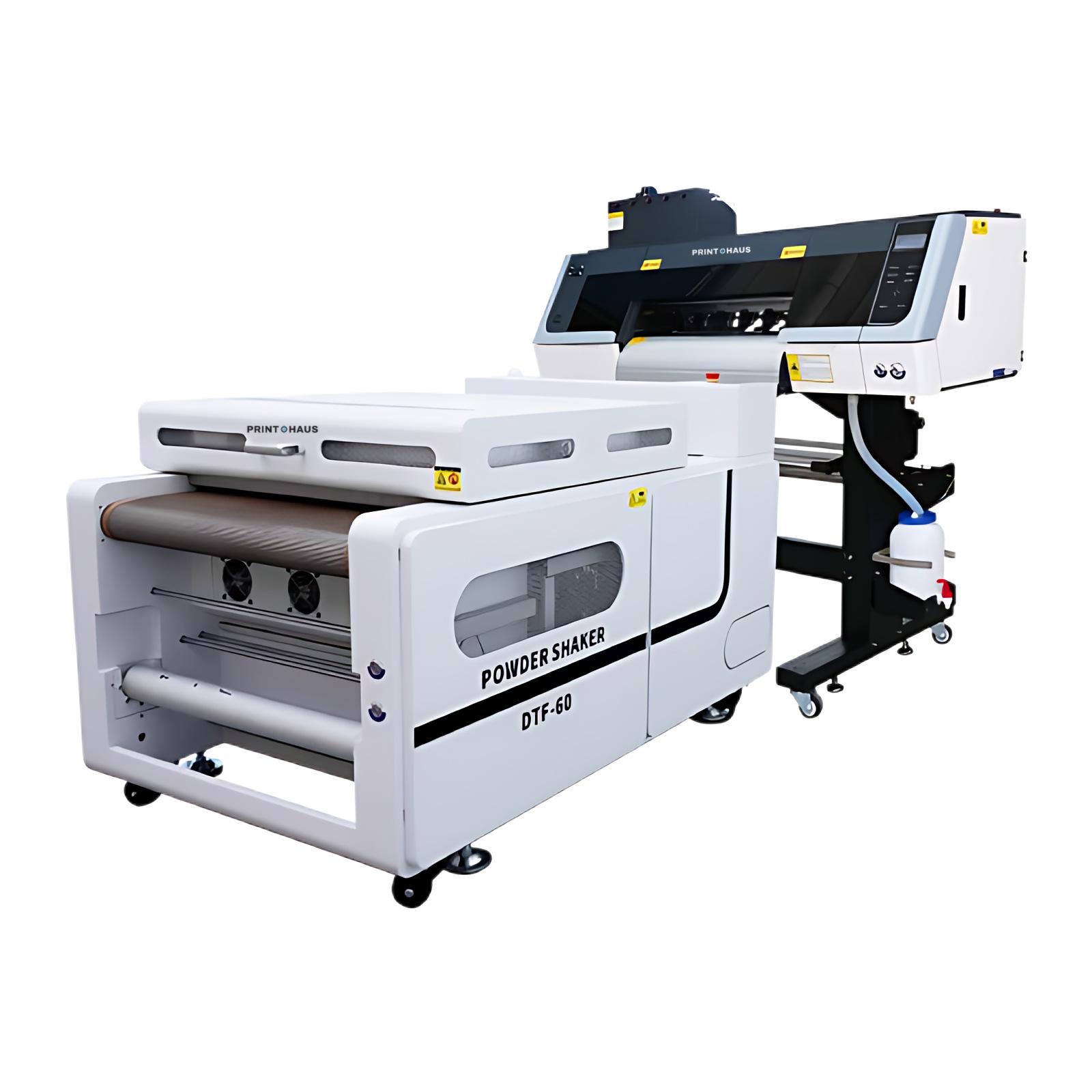
DTF prints colour and a white layer onto film, powders and cures it, and a heat press moves the print onto the garment. Because the white is printed, the same transfer works on black cotton, polyester and blends. You can also print gang sheets and sell them to other shops. A 24-inch DTF line is where most shops start.
Sublimation: for polyester and sportswear
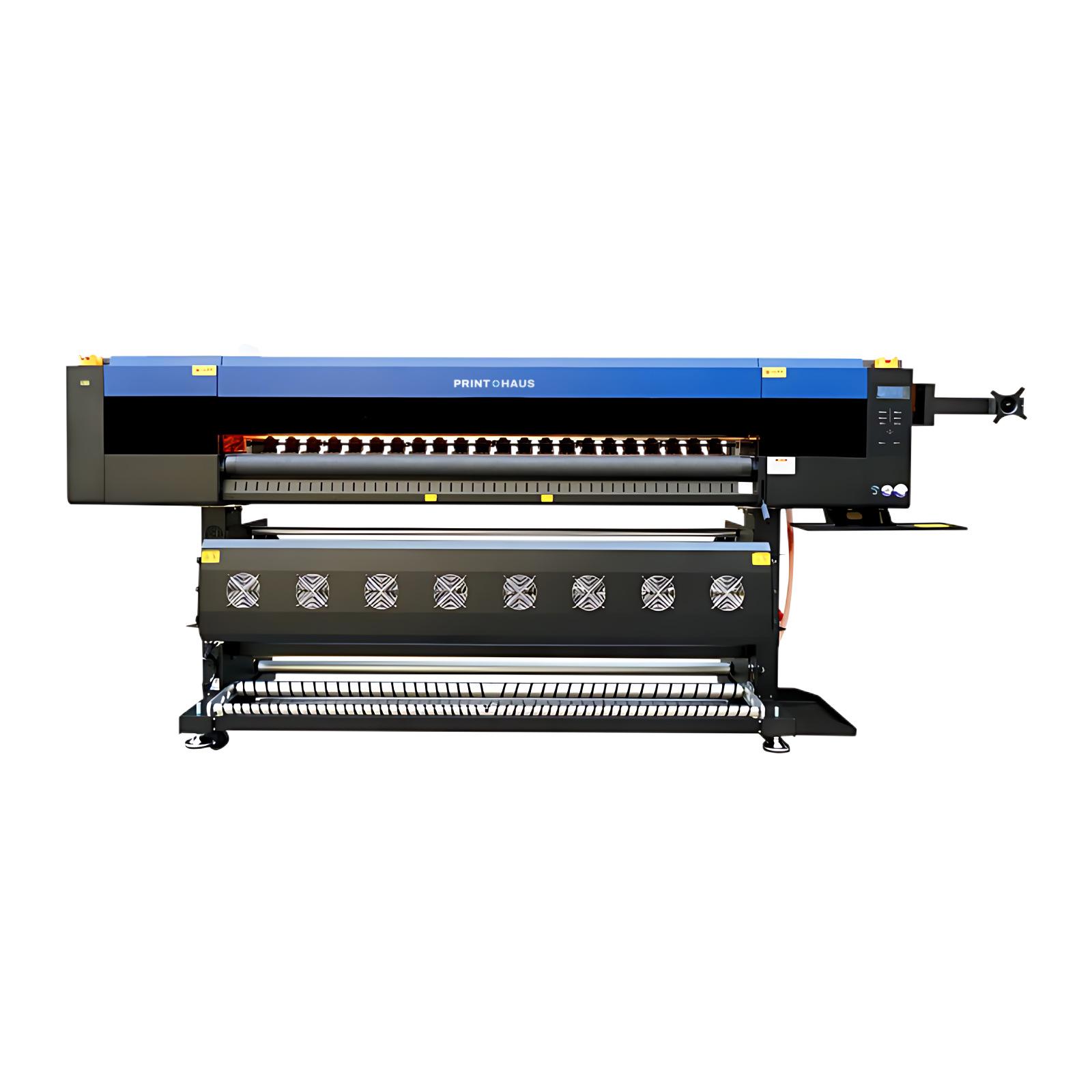
Sublimation prints dye onto paper; heat turns it into a gas that bonds with polyester. The print has no feel at all and cannot crack, which is why team kits, swimwear, curtains and flags are sublimated. It needs light-coloured polyester. Wide-format machines such as the PH-SB194 feed a calender or rotary press for fabric by the roll.
DTG: cotton one-offs
DTG prints straight onto the garment. It feels soft on cotton but needs pretreatment for dark shirts and handles polyester poorly. Many shops that start with DTG add DTF for everything else.
Which one to choose
- Mostly cotton and dark garments, many fabrics, or transfers for resale: DTF.
- Polyester sportswear, all-over prints, home textiles: sublimation.
- Both: many shops run DTF and sublimation side by side, because together they cover nearly every garment.